
 Risk Capacity
 Wealth Management
 Outsourced CIO
 Retirement Plans
 Institutional
 Financial
  Open an Account
 IFA App

 Articles
 Charts
 Investor Education ▾
 Fund
Fund
 Store
Store

 Taxes
Taxes Back-testing Disclosures
 Glossary
 Form CRS
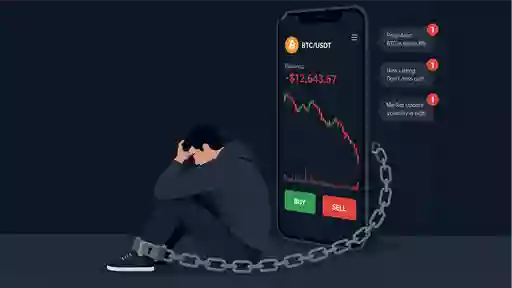
For years, the idea that trading could become an addiction was a metaphor. Now it's a diagnosis. The new science of crypto trading addiction reveals a cost most investors never put a price on — and a vulnerability that has almost nothing to do with how sophisticated you think you are.
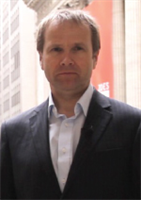
Chris Gawor kept his phone in a cradle on the dashboard so he could watch live prices while he drove. His eyes flicked from the road to the numbers, the numbers to the road. "That's how wired I had become," he told NPR's The Indicator. "It was insanity." On a family holiday, he would slip away upstairs and dig through a suitcase for the credit cards — nine in his own name, four opened in his wife's — that were funding his margin calls.
What should give you pause is how it began. Gawor didn't start out as a reckless gambler. He began with what he thought of as a sensible strategy: shares in large, established, listed companies. He never saw himself as an addict. "I didn't think I was addicted to gambling," he says. "I didn't bet on horse racing, on sports betting. I didn't go into casinos."
If your instinct is that this is a reckless-young-person problem, not something that could happen to a serious investor like you, hold that thought. The line Gawor crossed wasn't drawn by his age, his income, or his intelligence. It was drawn by his behavior. And it sits closer to the way most confident investors operate than any of them would care to admit. That gap, between who we think is at risk and who actually is, is what the new science of crypto trading addiction has started to close.
It Was Never About the Asset
The clinicians who treat this draw the line between investing and addiction by behavior, not by which asset is being traded. That's why the same condition can turn up in blue-chip stocks, spread bets, and crypto alike.
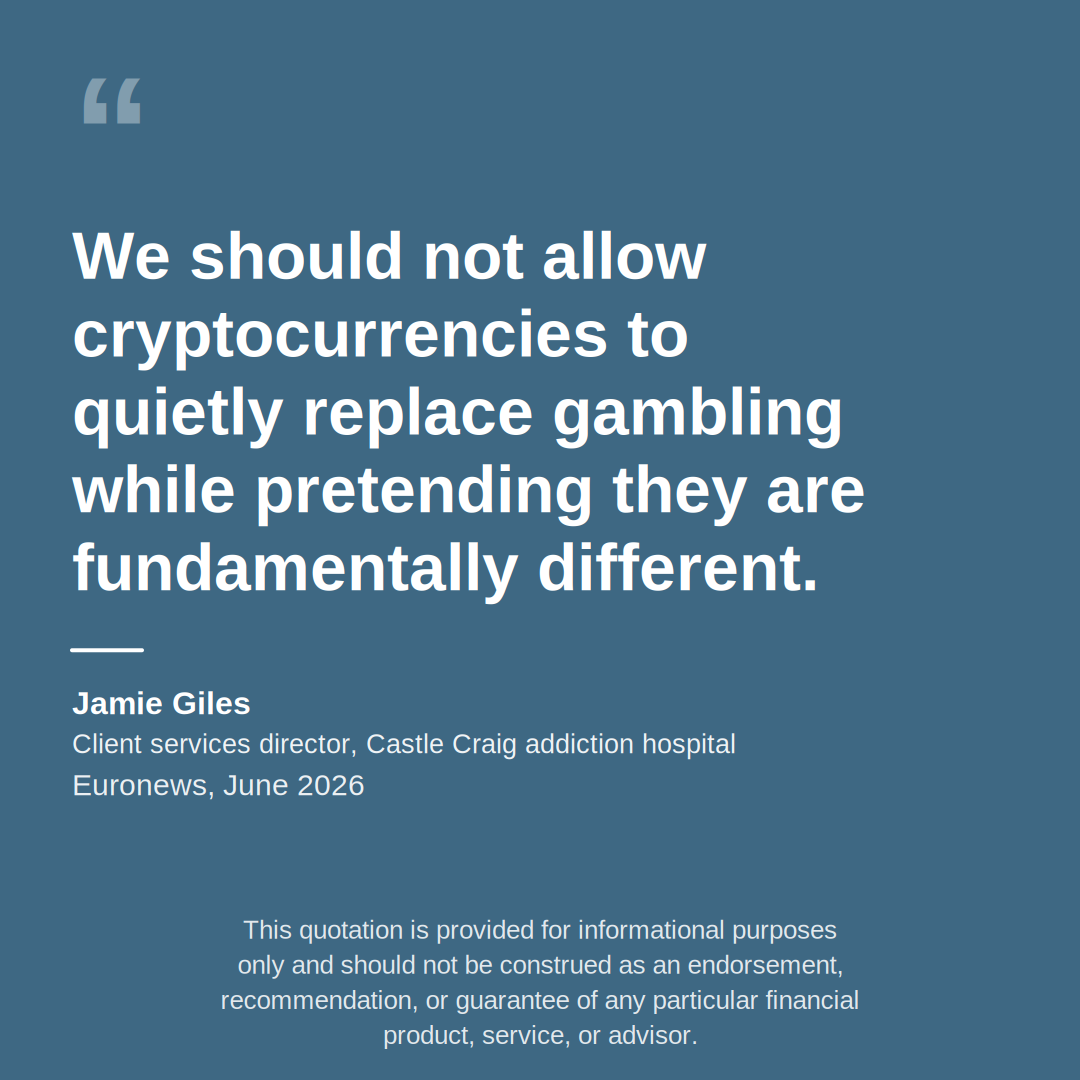
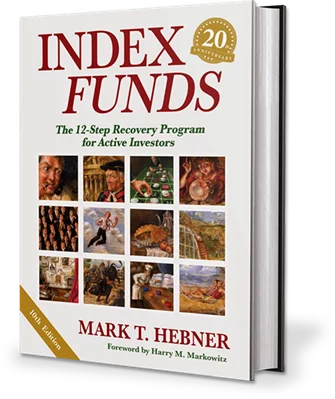
The clinical picture is behavioral all the way down: loss of control, chasing losses, concealment, and a life slowly reorganized around prices, whatever the instrument. Castle Craig, the Scottish addiction hospital that has treated this since well before crypto went mainstream, puts stock trading, spread betting, and cryptocurrency in the same category, and treats all three with a 12-step recovery program. That structure will be familiar to anyone who knows Mark Hebner's book, Index Funds: The 12-Step Recovery Program for Active Investors, which adopted the same framework to argue that active investing often runs on the machinery of addiction. "I define problematic cryptocurrency investing by the behavior involved, not by the asset itself," its client services director, Jamie Giles, recently told Euronews. His warning is blunter still: "We should not allow cryptocurrencies to quietly replace gambling while pretending they are fundamentally different."
So much for the idea that this is somebody else's problem. In a census-matched US sample, Joshua Grubbs and Shane Kraus found that regular crypto traders were more likely to be higher-income, better-educated men, not only the young and the reckless. The demographic that feels safest may be the one walking into it.
Look again at Gawor and you can see the line being crossed in real time. He didn't switch from a respectable asset to a disreputable one. He slid from large-cap shares into smaller, more volatile companies, then into leverage, each step a change in behavior. The asset was never the point. The escalation was.
The Science Stopped Guessing
In June 2025, researchers built and validated the first instrument that actually diagnoses disordered trading, and the early numbers aren't small.
The tool is the Trading Disorder Scale, developed by Ainhoa Coloma-Carmona and colleagues in the Journal of Behavioral Addictions. Rather than borrow a gambling questionnaire and hope it transfers, it measures the disorder directly. Among 403 Spanish amateur traders (people who trade but not for a living), the scale sorted respondents into three groups: 72.2 percent showed no disorder, 17.6 percent were at risk, and 10.2 percent, roughly one in ten, met the threshold for disordered trading. One of the scale's co-authors is Mark Griffiths of Nottingham Trent University, a leading behavioral-addiction researcher and the same authority Castle Craig leans on.
A second study points the same way from a different starting point. In September 2025, Mustafa Özbek and Gülşah Topal looked at 596 active male crypto traders in Turkey, aged 20 to 63, and found that 26.3 percent met the criteria for problematic cryptocurrency trading. The strongest single predictor had nothing to do with income, education, or screen time. It was problem gambling, followed by how often someone traded — the behavior-not-asset thesis showing up again, this time in data.
A caveat worth stating plainly: these are amateur-trader and active-trader samples, in Spain and Turkey, not the general population. No equivalent clinical-prevalence figure for crypto trading addiction exists yet for American investors. What we have is the early evidence suggesting that this is real, measurable, and may be more common among people who trade than many would guess.
Your Brain on a Big Payoff
The vulnerability may have little to do with character or knowledge. It comes from the way the human brain responds to small-chance, large-payoff bets. And financial success, far from protecting you, can in some cases deepen it.
Camelia Kuhnen, a finance professor at the University of North Carolina at Chapel Hill, told NPR that trading apps are "like a lottery on steroids." We are, she explained, hardwired to fixate on enormous payoffs even when the odds of getting them are tiny. The apps are built to feed that wiring: continuous access, a stream of alerts, the satisfying illusion of skill. And the people on the other side of the trade are not amateurs. "The average investor just doesn't have the knowledge," Kuhnen said, "and the institutional investors on the other side of the trades will take advantage of that."
This is why being smart and successful can offer so little protection. If anything, a run of wins makes things worse, because it hands you a story about your own talent. Gawor cleared his debts once, decided he was "an amazing trader again," and started over.
The same wiring drives ordinary stock over-trading, and the historical record provides evidence to consider. In their study of US discount-brokerage accounts from February 1991 to December 1996, Brad Barber and Terrance Odean found that the fifth of investors who traded most earned 11.4 percent a year after costs, against a market return of 17.9 percent, a gap of 6.5 percentage points every year in that sample period. Past performance is no guide to the future, but the mechanism it describes hasn't changed.
The Cost Isn't Just the Money
New US research suggests that the more disordered someone's crypto trading becomes, the worse their mental health tends to be. Depression, anxiety, and isolation rise alongside it, which means the real price is paid in wellbeing, not only in dollars.
In May 2026, in a US sample of 239 cryptoasset owners, Dar Meshi and colleagues found that higher levels of problematic cryptoasset trading were associated with greater depressive symptoms, greater anxiety symptoms, and greater social isolation, even after controlling for demographics. One caution matters more than any other here: this is a snapshot, not a film. The study is cross-sectional, so it can show that disordered trading and poor mental health travel together, but it can't prove which one causes the other, or whether the arrow runs both ways. That uncertainty doesn't weaken the case for protecting yourself. It strengthens it.
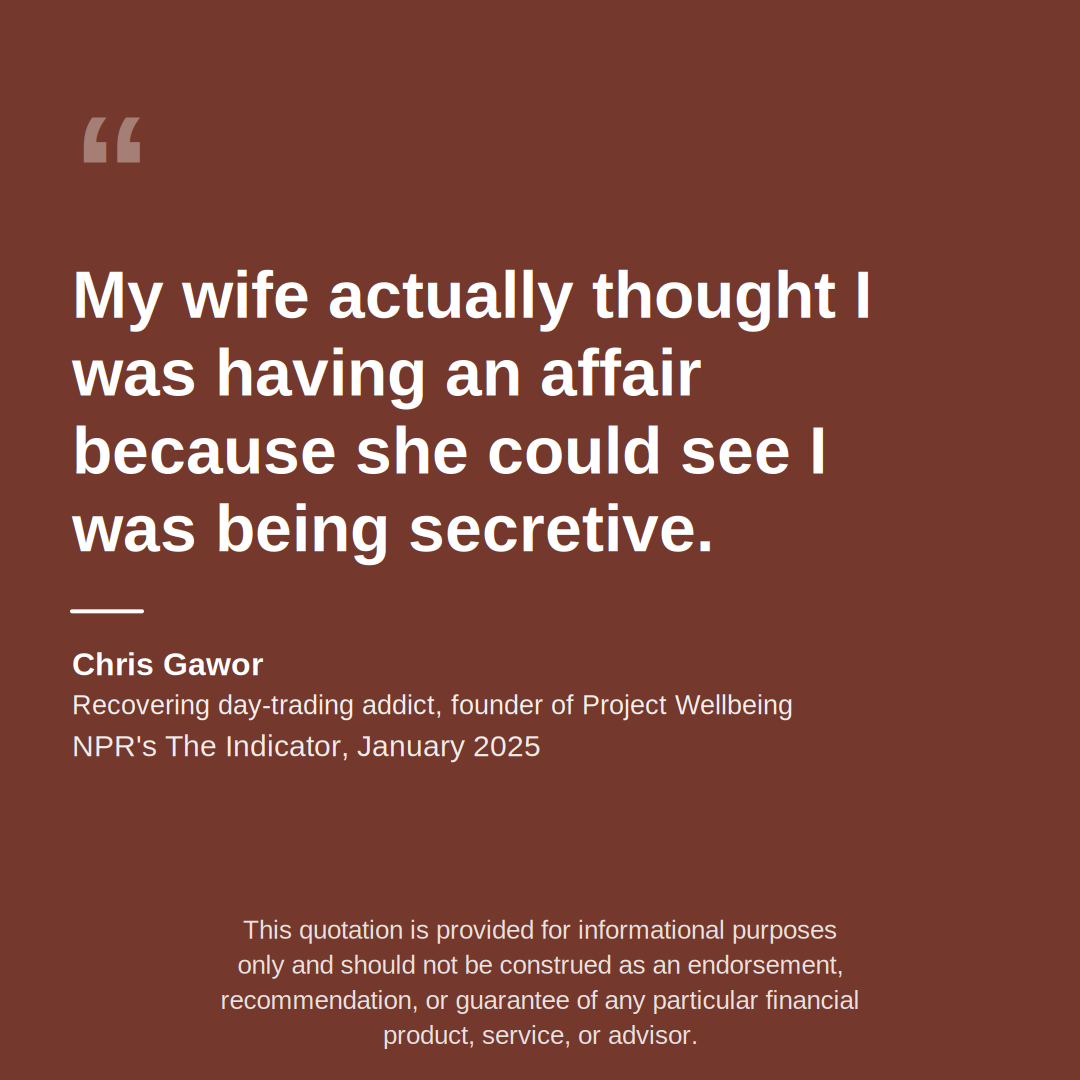
You can see what "social isolation" looks like in a single life. Gawor hid the scale of his debt for years. His wife, watching him disappear into his phone and vanish on family trips, came to believe he was having an affair. He had opened credit cards in her name. The damage wasn't only to a balance sheet; it was to the marriage, to the people closest to him, and to him. None of that shows up in a brokerage statement.
For a financially secure reader, this is the uncomfortable turn. When money is no longer the binding constraint, what's genuinely at risk is your peace of mind, your sleep, and the relationships you'd always assumed were safe. Those are harder to rebuild than a portfolio, and no return makes up for losing them.
What May Protect You
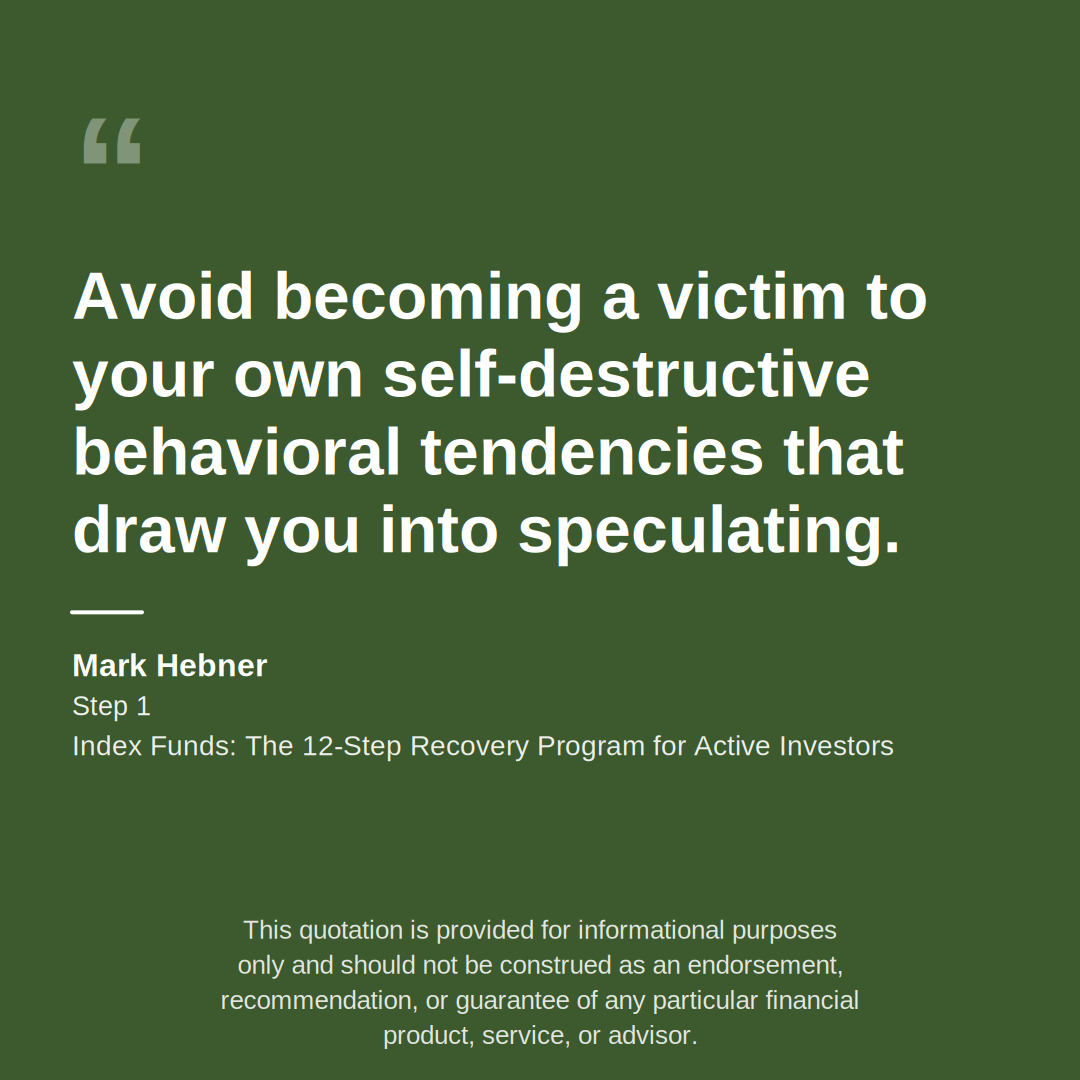
Willpower or expertise alone may not be sufficient to protect you. Both tend to fail at exactly the moment you need them. What may help protect investors is structure: a low-cost, diversified, rules-based plan that aims to reduce real-time decisions the compulsion feeds on.
Willpower is the wrong tool because the compulsion lives in the moment: the alert, the dip, the urge to do something right now. Investors often do not win that fight with discipline, and the people who try tend to lose precisely when markets turn turbulent. One approach is to remove those decision points altogether. A globally diversified portfolio built on rules, one you aren't watching or trading day to day, is intended to reduce exposure to the type of environment that can encourage compulsive behavior. There's nothing to react to, because reacting was never part of the plan.
The same structure may help support both investment outcomes and wellbeing. Less trading can mean fewer decisions, which may reduce the loop associated with underperformance and distress. The behavior gap, the return investors give up by buying high and selling low may shrink when impulsive behavior is reduced.
Three practical moves follow. Audit your own trading honestly, judging it not by whether you win but by whether it improves your outcomes. Strip the engagement features — price alerts, one-tap trading, the red-and-green dopamine — out of how you invest. And look hard at the next generation: heirs sit squarely in the higher-income, better-educated, male demographic the research flags, which turns this from a personal risk into a wealth-transfer risk. The money you protect for them is worth less if the habits travel with it.
Putting the Phone Back in the Glovebox
The man watching prices from the freeway is no longer that man. After his wife told him to get help, Gawor stopped trading, faced the debt, and eventually founded Project Wellbeing, which runs gambling-awareness work. He runs that now instead of a trading account. "There is a route out of that," he says, and he is the proof.
His story closes a loop the science has only just caught up to. The danger was never the asset; it was the behavior, and the brain wiring underneath it. What Castle Craig saw in its clients years ago, and what IFA has argued about trading for just as long, now has a validated scale and peer-reviewed evidence behind it. The cost, it turns out, is measured in wellbeing as much as in money.
This leaves us with something quietly reassuring. The investor best protected from a crypto trading addiction isn't the one with the steeliest nerve or the sharpest eye. It's often the one who built a plan that does not rely on frequent, high-stakes decisions.
Resources
Barber, B. M., & Odean, T. (2000). Trading is hazardous to your wealth: The common stock investment performance of individual investors. Journal of Finance, 55(2), 773–806.
Coloma-Carmona, A., Carballo, J. L., Miró-Llinares, F., Aguerri, J. C., & Griffiths, M. D. (2025). Development and validation of the Trading Disorder Scale for assessing problematic trading behaviors. Journal of Behavioral Addictions, 14(2), 941–958.
Grubbs, J. B., & Kraus, S. W. (2024). Cryptocurrency and addictive behaviors in a census-matched U.S. sample. International Gambling Studies, 24(2), 291–305.
Meshi, D., Jang, D., Mei, Z., Ratan, R., & Foxman, M. (2026). Problematic cryptoasset trading is associated with greater depressive symptoms, anxiety symptoms, and social isolation. PLOS ONE, 21(5), e0349874.
Özbek, M., & Topal, G. (2026). Problematic cryptocurrency trading among traders in Türkiye: A cross-sectional study of prevalence and associations with anxiety, depression, and problem gambling. Journal of Gambling Studies, 42, 409–423.
Where to Turn for Help
If this article has left you worried about your own trading, or about someone close to you, help is available, and reaching out is a sign of strength, not failure. Because compulsive crypto and stock trading is treated as a behavioral addiction closely related to gambling, the established gambling-support services are the right place to start.
The National Problem Gambling Helpline, run by the National Council on Problem Gambling, offers free, confidential support 24 hours a day for traders and concerned family members alike: call or text 1-800-MY-RESET (also reachable on 1-800-522-4700). Gamblers Anonymous and its family network Gam-Anon hold free meetings, in person and online, for anyone affected. And if you or someone you love is in crisis, you can call or text the 988 Suicide and Crisis Lifeline at any time.
ROBIN POWELL is the Creative Director at Index Fund Advisors (IFA). He is also a financial journalist and the Editor of The Evidence-Based Investor. This article reflects IFA's investment philosophy and is intended for informational purposes only.
DISCLOSURES:
This article is for informational purposes only and does not constitute investment advice, an offer, or a solicitation to buy or sell any security.
The information discussed is general in nature and may not be suitable for all investors. Individual circumstances vary, and readers should consult a qualified professional regarding their personal situation.
Index Fund Advisors, Inc. (IFA) believes the information to be accurate but does not guarantee its completeness or accuracy. This article was sourced and prepared with the assistance of artificial intelligence (AI) technology.
For more information about Index Fund Advisors, Inc, please review our brochure at https://www.adviserinfo.sec.gov/ or visit www.ifa.com.









 Home
Home 888-643-3133
 Contact Us
 Newsletter Subscribe
 eMoney
 IFA Apps
 Index Funds Book on Kindle
 Index Funds Audiobook
 Careers
 Facebook
 X
X LinkedIn
 Instagram
 Youtube
 Terms
Terms Index Descriptions