
 Risk Capacity
 Wealth Management
 Outsourced CIO
 Retirement Plans
 Institutional
 Financial
  Open an Account
 IFA App

 Articles
 Charts
 Investor Education ▾
 Fund
Fund
 Store
Store

 Taxes
Taxes Back-testing Disclosures
 Glossary
 Form CRS
What's New
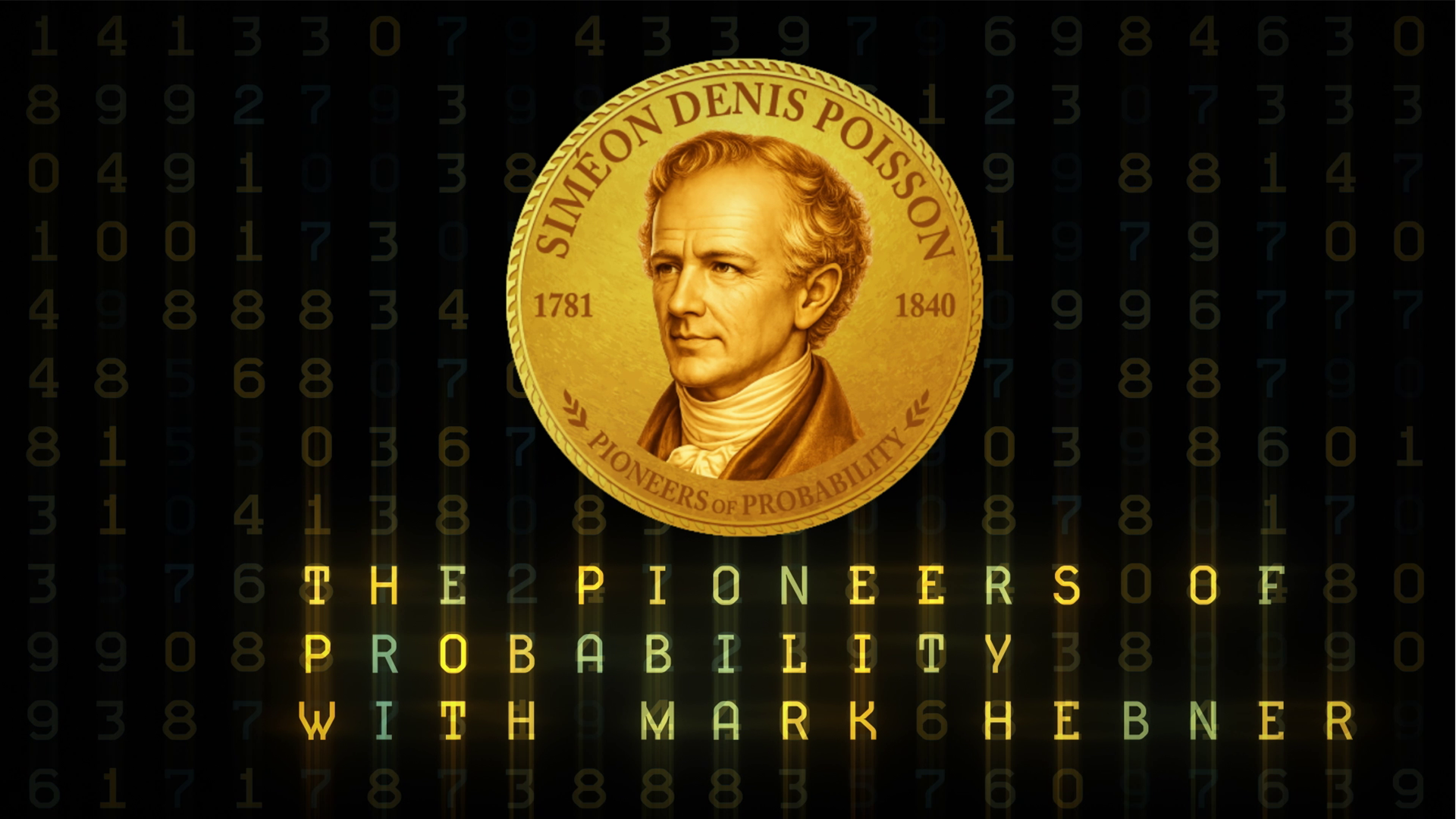
In the Prussian army in the late nineteenth century, soldiers were occasionally killed by horse kicks — rare, but across a large army over many years, it happened with a certain regularity.

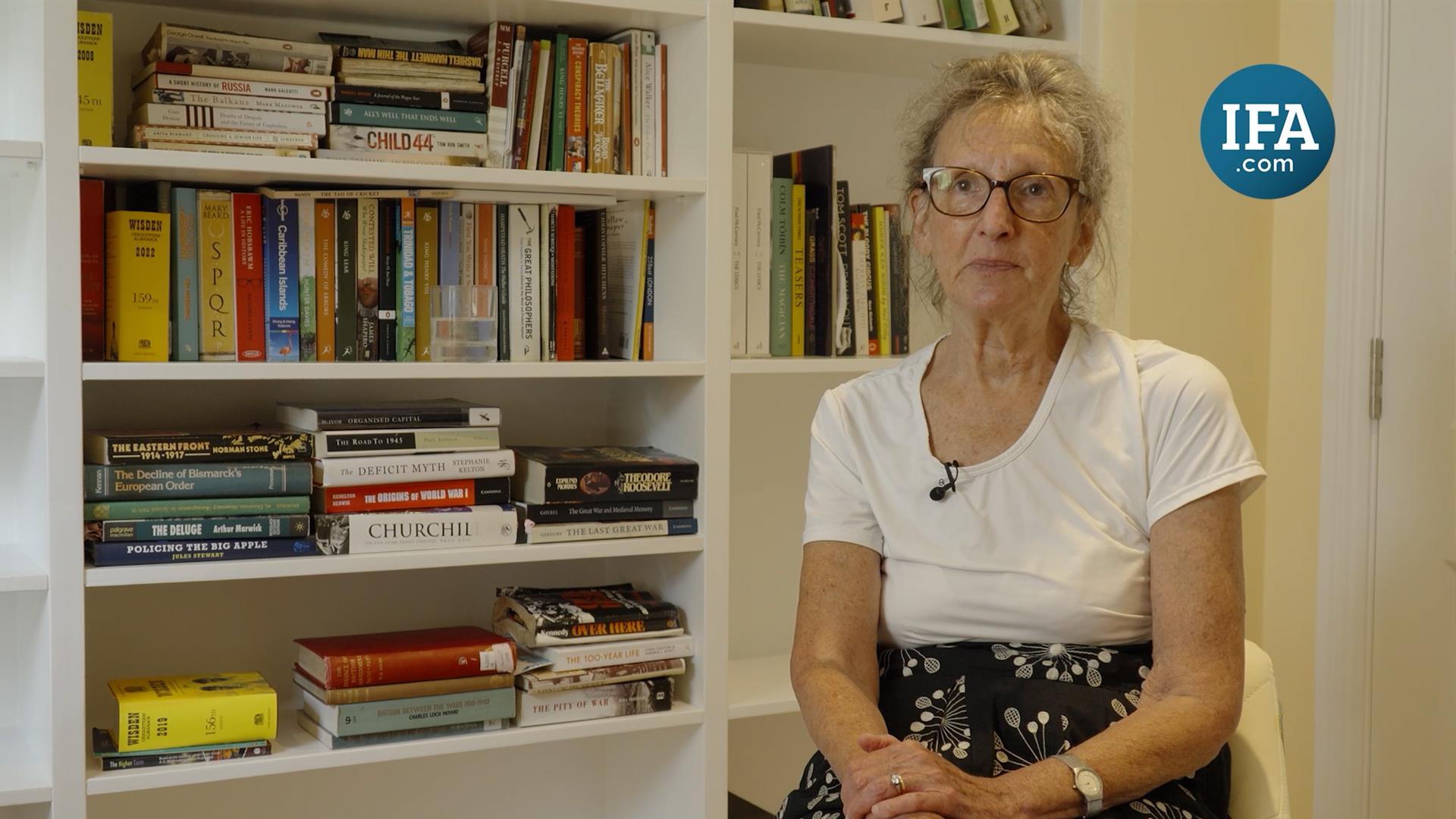
It has never been so easy to trade stocks. There are now all sorts of apps and websites that allow you to buy or sell in just a few moments. But Norma Cohen, a journalist with the Financial Times for many years, says it’s a worrying development.
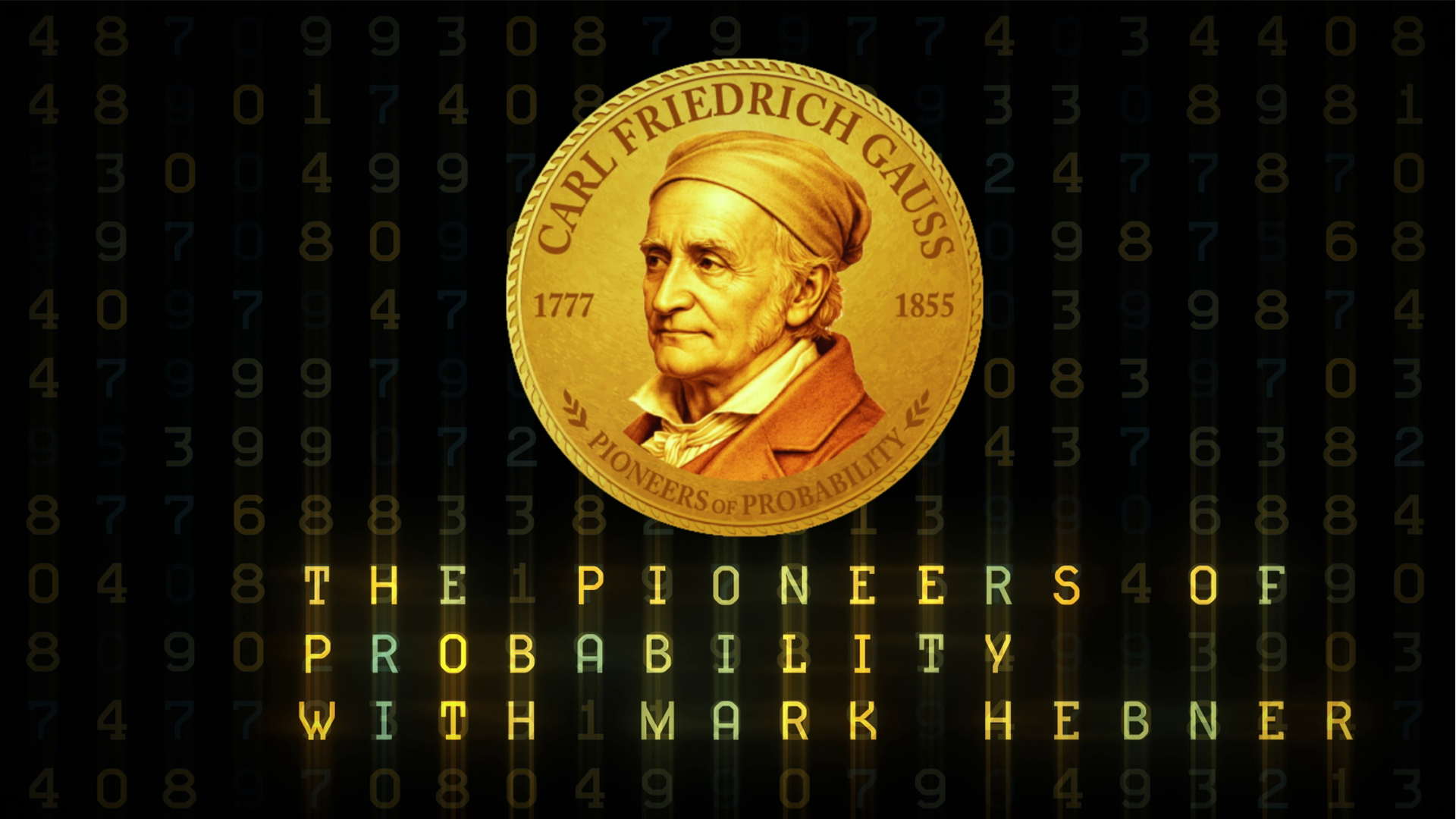
In the last episode, Legendre gave science its most powerful practical tool for fitting models to noisy data. He showed how to find the line — the function — that minimizes the sum of squared errors. He proved it worked. But he did not fully explain why it was the right method rather than simply a convenient one.
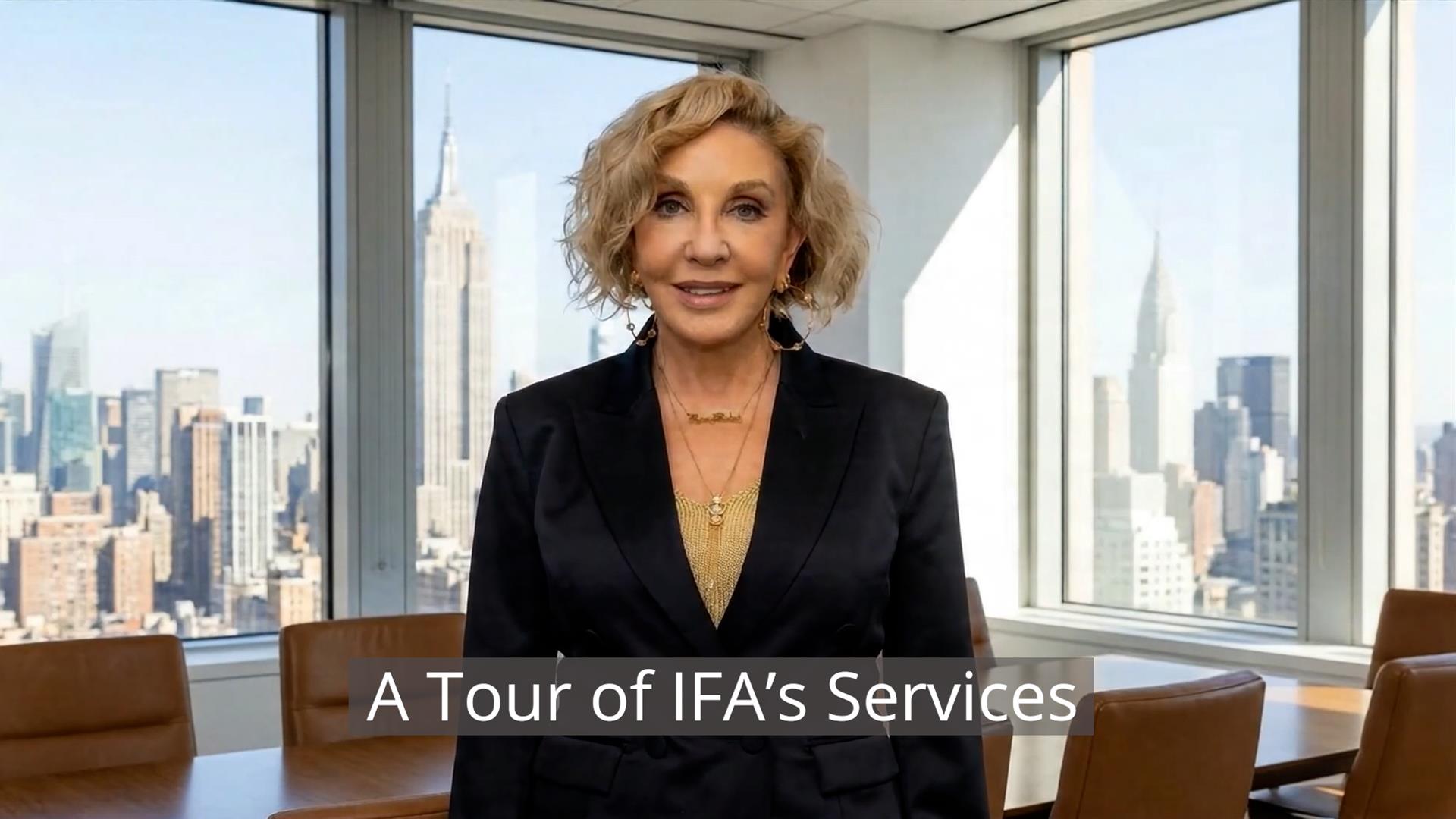
IFA Senior Vice President, Denise Delaney takes you through a tour of IFA's many services.
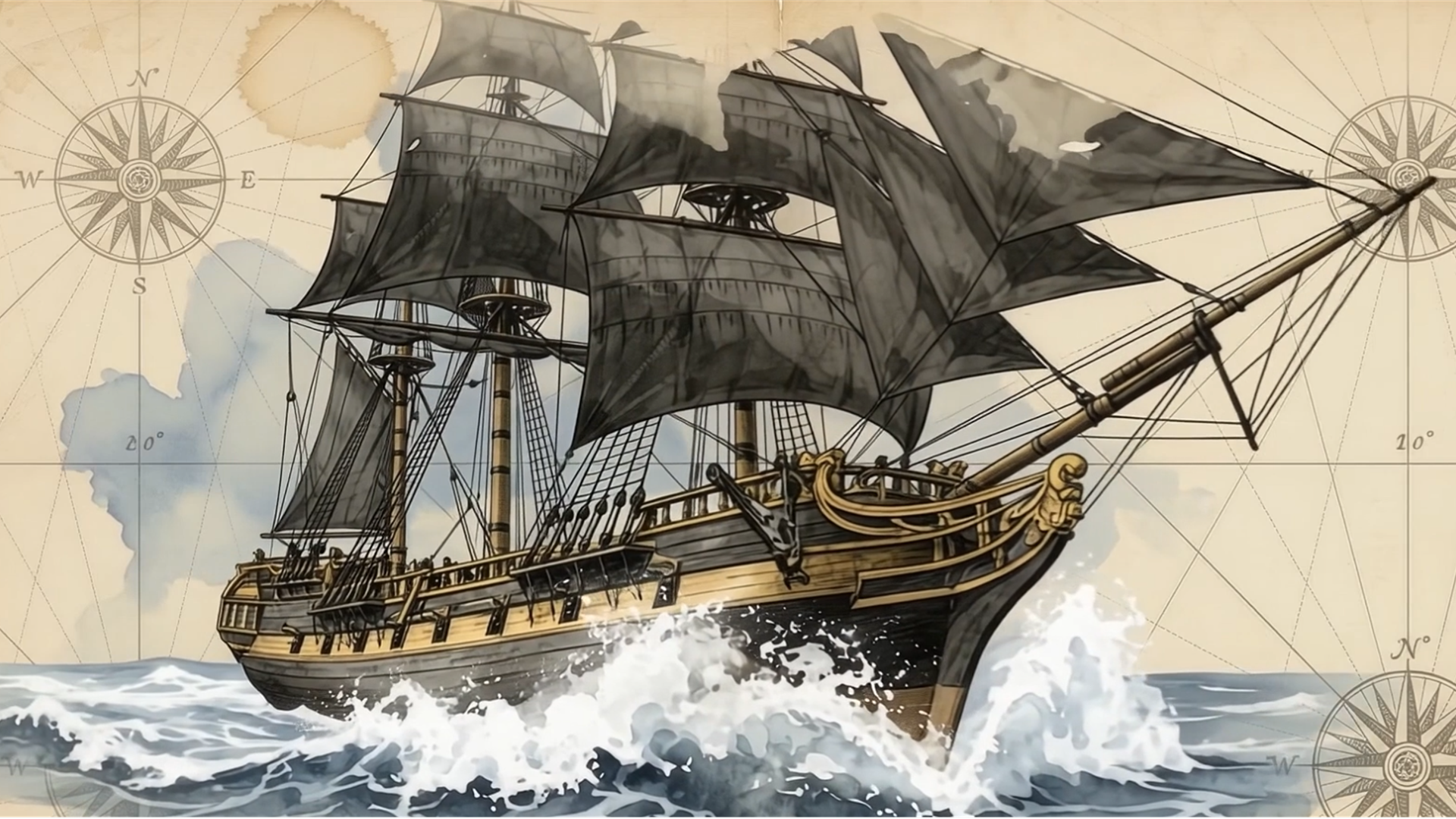
The Ballad of John Bogle and the HMS Vanguard
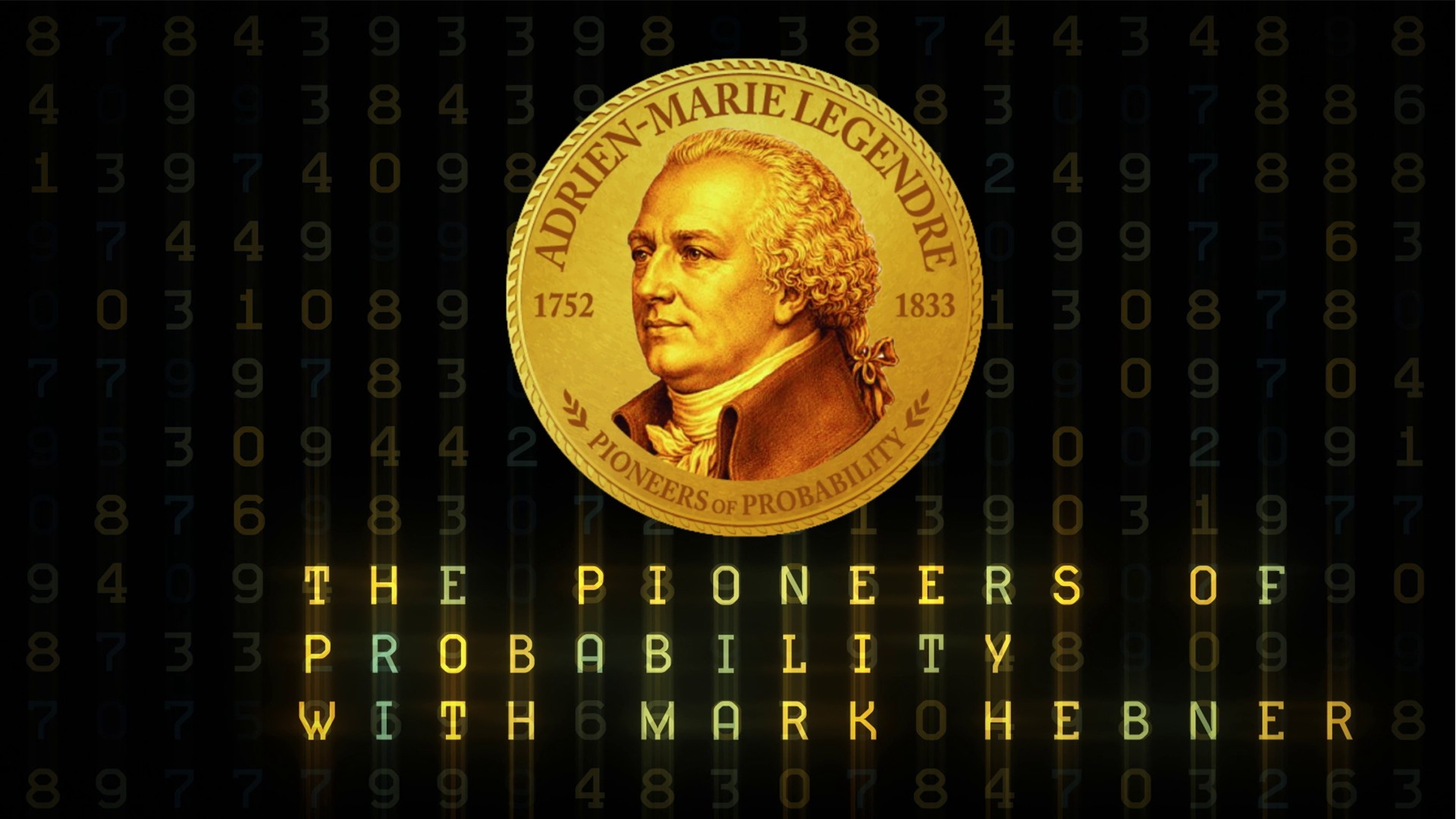
It is 1801. In Palermo, Sicily. The astronomer Giuseppe Piazzi has spotted something new — a faint point of light moving against the stars.

Understand why analyzing 98 years of market history improves return estimates but doesn't eliminate risk or predict future outcomes with certainty.

Investors cannot control what markets will return. They can exert meaningful control over many of the costs they pay to capture those returns. John Bogle argued that this simple fact may be more important than any theory about whether markets are perfectly efficient.

David Booth's new book reinforces an investment philosophy that Index Fund Advisors has taught since 1999: accept uncertainty, trust market prices, diversify broadly, follow the evidence, and stop trying to predict what cannot be predicted.

New research evaluates whether retail investors truly benefit from access to private equity and alternative assets. Find out the surprising results.
Learn about Pierre-Simon Laplace’s pivotal role in unifying probability theory and his influence on statistical modeling in finance.
Become An IFA Client

your investments. We assist clients daily
with tailored solutions designed to support you.
step in tailoring portfolios to align with your
financial goals.
 Home
Home 888-643-3133
 Contact Us
 Newsletter Subscribe
 eMoney
 IFA Apps
 Index Funds Book on Kindle
 Index Funds Audiobook
 Careers
 Facebook
 X
X LinkedIn
 Instagram
 Youtube
 Terms
Terms Index Descriptions