IFA Index Calculator
Retirement Calculator
Target Date Calculator
Retirement Income
College Planning
T-Statistic Calculator
401(k) Calculator
Net Worth
Net Income
Roth IRA Conversion
Fee Calculator
Multi Funds Calculator

 Risk Capacity
 FinPlan
 Wealth Management
 Retirement Plans
 Institutional
 Financial Calculators ▾
 Open an Account
 Schedule a Meeting
 IFA App
 Videos ▾
 Articles
 Charts
 Investor Education ▾
 Index
Index Fund
Fund Resources▾
 About Us ▾
 Store
Store Galton
 Taxes
Taxes Back-testing Disclosures
 Index Descriptions
 Glossary
 Form CRS
Learn About an Evidence-Based Approach to Investing
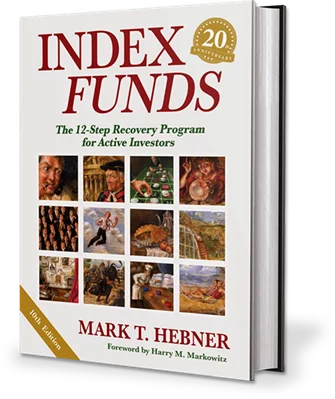

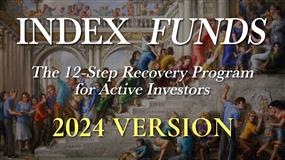
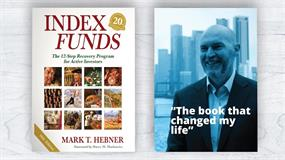
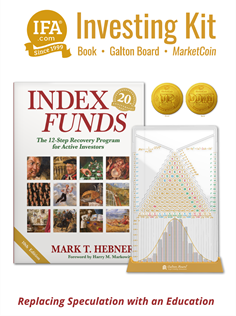
Index Funds: The 12-Step Recovery Program for Active Investors is the treatment of choice for wayward investors.

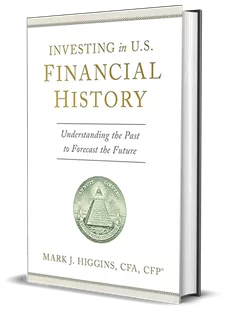
Investing in U.S. Financial History: Understanding the Past to Forecast the Future by IFA Wealth Advisor Mark J. Higgins







Participation in a book contest typically requires an entrance fee. This fee is intended to cover administrative expenses and is not material in amount. Referenced 'Praise' for previous editions of the book “Index Funds: The 12-Step Recovery Program for Active Investors” is on file. It is not intended to be an endorsement or testimonial for Mark Hebner, Index Fund Advisors, Inc. (IFA), or it advisory services. 2023 New England Book Festival Winner: Business Book category. Awarded 12/20/2023. 2024 Southern California Book Festival Winner: Business/Technology. Awarded 12/21/2023. 2024 Nonfiction Authors Association Nonfiction Book Award Winner. Awarded 02/07/2024. 2024 Book Excellence Award Winner in Finance Category Awarded on 03/05/2024. 2024 Los Angeles Book Festival Winner: Best Business Book Awarded 4/18/2024. 2024 Goody Business Book Award Winner: Money/Personal Finance Book category. Awarded 11/15/2024.

IFA defines index funds as mutual or exchange-traded funds that follow a set of rules of ownership which, under normal circumstances, are held constant.
The SEC categorizes index funds as NIF or TIF:
 HomeTaxesAbout Us
 888-643-3133
 Contact Us
 Newsletter Subscribe
 eMoney
 IFA Apps
 Index Funds Book on Kindle
 Index Funds Audiobook
 Careers
 Facebook
 X
X LinkedIn
 InstagramVideos
 YoutubeGlossary
 TermsDisclosuresIndex DescriptionsForm CRS