IFA Index Calculator
Retirement Calculator
Target Date Calculator
Retirement Income
College Planning
T-Statistic Calculator
401(k) Calculator
Net Worth
Net Income
Roth IRA Conversion
Fee Calculator
Multi Funds Calculator

 Risk Capacity
 FinPlan
 Wealth Management
 Retirement Plans
 Institutional
 Financial Calculators ▾
 Open an Account
 Schedule a Meeting
 IFA App
 Videos ▾
 Articles
 Charts
 Investor Education ▾
 Index
Index Fund
Fund Resources▾
 About Us ▾
 Store
Store Galton
 Taxes
Taxes Back-testing Disclosures
 Index Descriptions
 Glossary
 Form CRS
This article is currently undergoing maintenance and is unavailable at this time. Please check back later. Sorry for the inconvenience.
Index Fund Advisors, Inc. (IFA) is a fee-only advisory and wealth management firm that provides risk-appropriate, returns-optimized, globally-diversified and tax-managed investment strategies with a fiduciary standard of care.
Founded in 1999, IFA is a Registered Investment Adviser with the U.S. Securities and Exchange Commission that provides investment advice to individuals, trusts, corporations, non-profits, and public and private institutions. Based in Irvine, California, IFA manages individual and institutional accounts, including IRA, 401(k), 403(b), profit sharing, pensions, endowments and all other investment accounts. IFA also facilitates IRA rollovers from 401(k)s and 403(b)s.
Learn more about the value of IFA, or Become a Client. To determine your risk capacity, take the Risk Capacity Survey.
SEC registration does not constitute an endorsement of the firm by the Commission nor does it indicate that the adviser has attained a particular level of skill or ability.
Please estimate when you will need to withdraw 20% of your current portfolio value, such as a need for a house down payment or some other major financial need.
Find a portfolio that matches your Risk Capacity
Learn About an Evidence-Based Approach to Investing
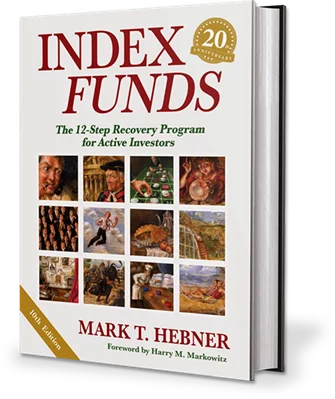

Index Funds: The 12-Step Recovery Program for Active Investors is the treatment of choice for wayward investors.

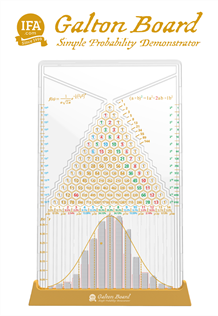
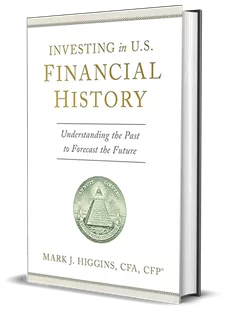
Investing in U.S. Financial History: Understanding the Past to Forecast the Future by IFA Wealth Advisor Mark J. Higgins





 HomeTaxesAbout Us
 888-643-3133
 Contact Us
 Newsletter Subscribe
 eMoney
 IFA Apps
 Index Funds Book on Kindle
 Index Funds Audiobook
 Careers
 Facebook
 X
X LinkedIn
 InstagramVideos
 YoutubeGlossary
 TermsDisclosuresIndex DescriptionsForm CRS