IFA Index Calculator
Retirement Calculator
Target Date Calculator
Retirement Income
College Planning
T-Statistic Calculator
401(k) Calculator
Net Worth
Net Income
Roth IRA Conversion
Fee Calculator
Multi Funds Calculator

 Risk Capacity
 FinPlan
 Wealth Management
 Retirement Plans
 Institutional
 Financial Calculators ▾
 Open an Account
 Schedule a Meeting
 IFA App
 Videos ▾
 Articles
 Charts
 Investor Education ▾
 Index
Index Fund
Fund Resources▾
 About Us ▾
 Store
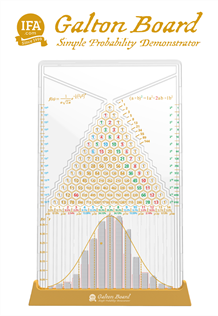
Store Galton
 Taxes
Taxes Back-testing Disclosures
 Index Descriptions
 Glossary
 Form CRS
DISCLOSURES:
Tune Out the Noise is a documentary film produced by Julie Ahlberg and Robert Fernandez, directed by Errol Morris, presented by Dimensional Fund Advisors (DFA), and is currently streaming on YouTube. The YouTube version is embedded on this website for informational purposes only. Index Fund Advisors, Inc. (IFA) is not affiliated with DFA, and the inclusion of this video does not constitute an endorsement of DFA, its products, or its services by IFA. Similarly, the appearance of any individuals, including David Booth or other notable figures, in this film does not indicate an endorsement of IFA, Mark Hebner, or any particular investment product, strategy, or advisor. DFA sponsors events by IFA, invites employees of IFA to participate in conferences hosted by DFA and refers clients to IFA in accordance with the standard terms of DFA’s referral program. DFA reimbursed Mark Hebner’s actual lodging and travel expenses to participate in the film but did not compensated him for his participation in the film. The content of this film is intended to explain how academics at the University of Chicago in the 1960s created groundbreaking research that was used by firms like Dimensional Fund Advisors to change traditional methods of investing. It should not be construed as investment, legal, or tax advice. All investments involve risks, including the loss of principal. Past performance is not indicative of future results, and there is no guarantee that any investment strategy, including indexing, will be successful. This film is presented here with permission from Dimensional Fund Advisors. No further republication, redistribution, or modification of this content is permitted without the express written consent of DFA. Viewers are encouraged to use the pause button to read any important disclosures presented during the film and in the credits.
Learn About an Evidence-Based Approach to Investing
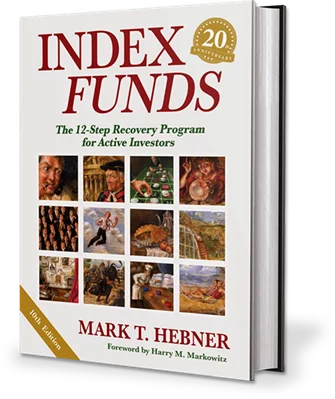

Index Funds: The 12-Step Recovery Program for Active Investors is the treatment of choice for wayward investors.

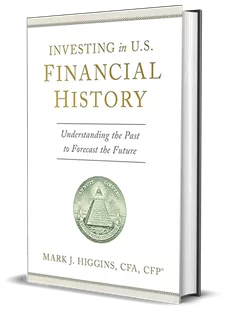
Investing in U.S. Financial History: Understanding the Past to Forecast the Future by IFA Wealth Advisor Mark J. Higgins






 HomeTaxesAbout Us
 888-643-3133
 Contact Us
 Newsletter Subscribe
 eMoney
 IFA Apps
 Index Funds Book on Kindle
 Index Funds Audiobook
 Careers
 Facebook
 X
X LinkedIn
 InstagramVideos
 YoutubeGlossary
 TermsDisclosuresIndex DescriptionsForm CRS
 Intro
Intro Active
 Nobel
Nobel Stock
Stock Time
Time Manager
 Style
Style Silent
 Riskese
 History
 Risk
Risk Risk
Risk Invest
 Appendix